Guardians of Global Seeds: The Rise of International Gene Banks
Gene banks come in many forms—village-based, national, and international. In particular, the Consultative Group on International Agricultural Research (CGIAR) gene banks stand out among the world’s most important repositories of crop diversity. Their development is tied closely to Geoff Hawtin, a British plant breeder whose work helped shape the modern system of international gene banks. Raised in North London, Geoff earned the nickname “Farmer Hawtin” thanks to summers spent working on farms, despite his urban roots. Encouraged by Cambridge professor Alice Evans, he pursued the research for a PhD in plant genetics at Makerere University in Uganda. There, during the political chaos of Idi Amin’s regime, he stayed on while many foreign staff fled, even stepping in to teach classes. In 1975, Geoff joined ICARDA—the International Centre for Agricultural Research in the Dry Areas—then based in Lebanon. ICARDA’s mission was to develop crops for dry, fragile regions facing drought, land degradation, and water scarcity. With research hubs at that time across Syria, Morocco, Lebanon, Egypt, Jordan, Iran and Pakistan, ICARDA focused on crops such as wheat, barley, lentils, chickpeas, and forages, and it urgently needed a robust gene bank.
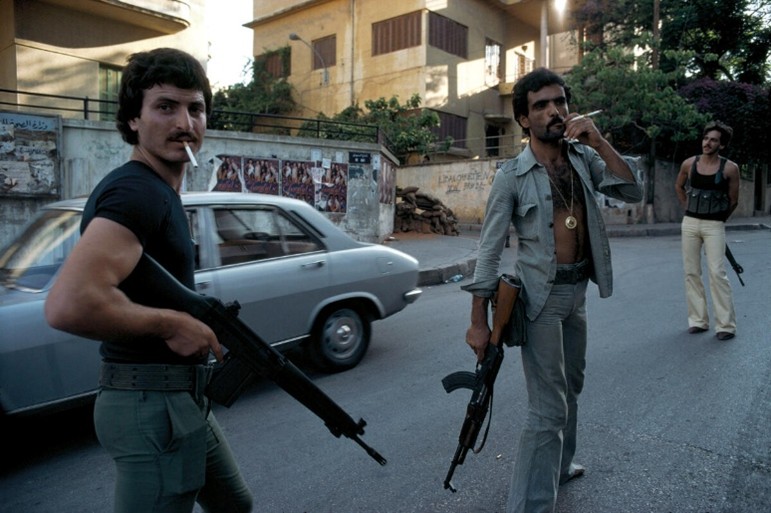
When Geoff arrived, ICARDA’s seed collection was limited and lacked diversity. To change that, he organised expeditions to Afghanistan, Ethiopia, Jordan, Lebanon, Syria, and Turkey—searching remote areas where ancient, genetically diverse landraces still survived. On one memorable trip to the Koh-i-Baba mountains in Afghanistan, Geoff and his colleagues, together with a translator, Mustafa, travelled in a battered Honda pickup to a remote highland village. Welcomed by the village elder, they collected seeds locally, but Hawtin wanted more diversity. He insisted on trekking further into the mountains. Concerned for their safety, the village elder sent a bodyguard—armed with an old revolver and just one bullet. Luckily, they returned safely—with rare and valuable seed samples in tow. At the time, ICARDA’s storage facilities were basic—just cold rooms at 5°C. Each new sample was meticulously documented with its origin, altitude, soil type, and growing conditions. The seeds were grown in field plots to study traits like height, maturity, flowering time, and pest resistance. Initially gathered for short-term breeding, these collections became an essential long-term resource requiring special conservation measures. But even gene banks aren’t immune to conflict. In the late 1970s, as war erupted in Lebanon, ICARDA’s seed bank—with 20,000 accessions of lentils, fava beans, and chickpeas—was at risk. During a period of heavy shelling, Geoff Hawtin, led a daring rescue operation. After several failed attempts, the seeds were safely evacuated across the Syrian border.