The Seven Pillars
The story of The Super-Seeders is just built not on personalities or single discoveries, but on the alignment of seven global forces. These are the Seven Pillars of the plant genetics revolution.

The story of The Super-Seeders is just built not on personalities or single discoveries, but on the alignment of seven global forces. These are the Seven Pillars of the plant genetics revolution.
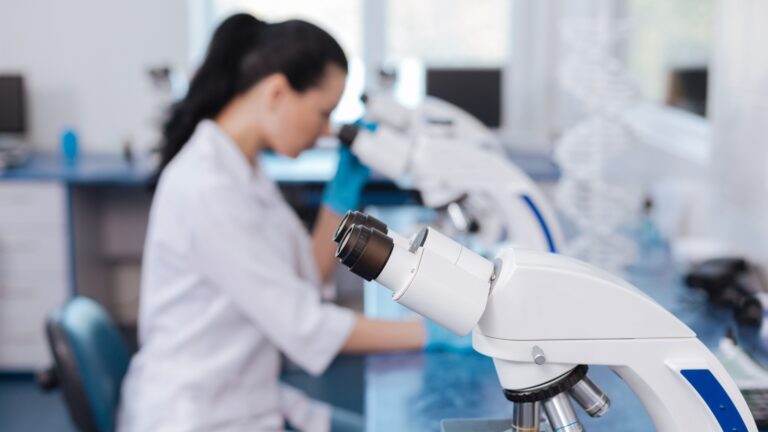
Gene banks may not look like much — but they hold the keys to feeding the future. As climate change and crop loss rise, these seed libraries are quietly safeguarding the genetic diversity our food system depends on. Discover why we need them more than ever.
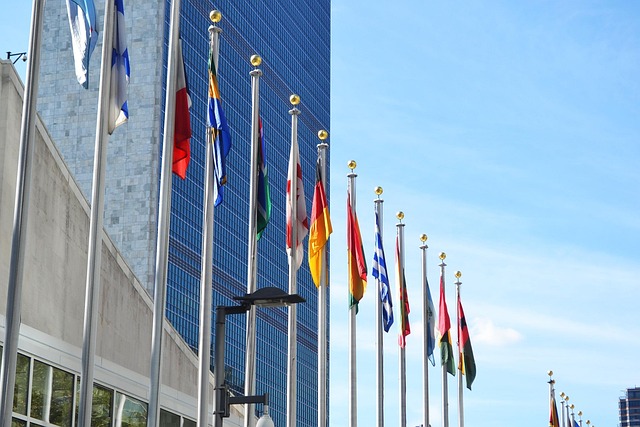
The International Plant Treaty helps ensure the world’s most essential crops remain accessible for breeding, research, and climate resilience. In this post, we explore the story behind the treaty, from a boy collecting melon seeds in Spain to today’s digital battles over genomic data.

The International Plant Treaty helps ensure the world’s most essential crops remain accessible for breeding, research, and climate resilience. In this post, we explore the story behind the treaty, from a boy collecting melon seeds in Spain to today’s digital battles over genomic data.
The International Plant Treaty helps ensure the world’s most essential crops remain accessible for breeding, research, and climate resilience. In this post, we explore the story behind the treaty, from a boy collecting melon seeds in Spain to today’s digital battles over genomic data.
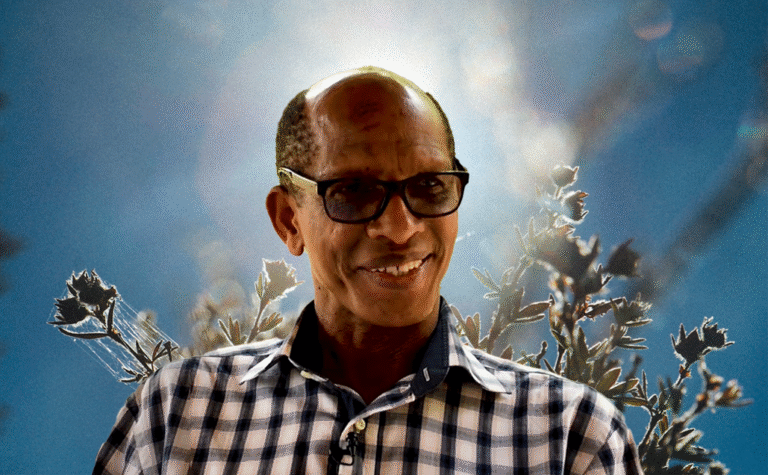
When farmers adopt new seeds, it’s not just about better yields — it’s about market demand. Jean Claude Rubyogo, leader of the Pan-Africa Bean Research Alliance (PABRA), reshaped seed systems across Africa by listening to traders, breeders and farmers alike. His market-led model turned seed distribution into sustainable business, linking science with profitability, and helping millions of smallholders grow crops that truly sell themselves.
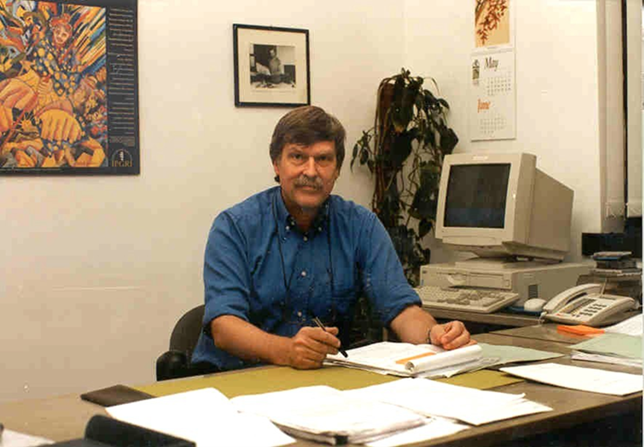
Dr Geoff Hawtin OBE, World Food Prize laureate, helped build the global gene bank system and shaped the Treaty securing free access to crop diversity worldwide.
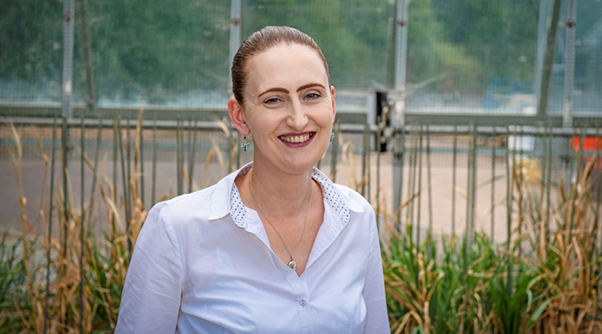
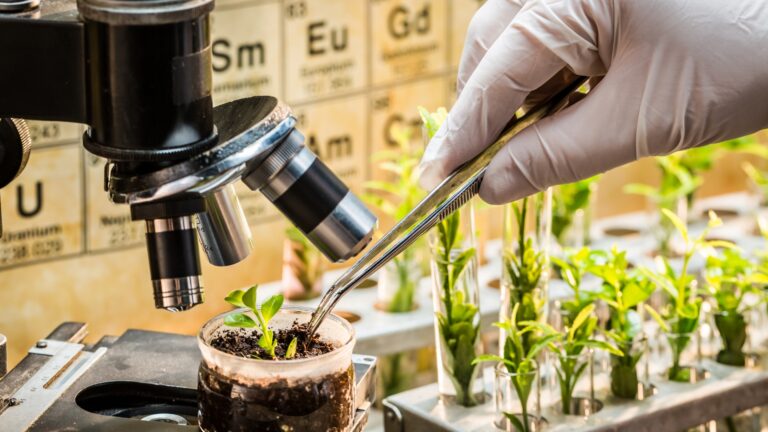
Professor Dianne Saunders is leading the charge against some of agriculture’s oldest and most devastating diseases, including wheat rust. Her team pursues two parallel breeding pathways: slow but trusted conventional breeding, and precise, accelerated gene editing using CRISPR. From genome-edited wheat trials in Kenya to the cautious stance of European breeders, this piece explores the scientific, regulatory, and economic forces shaping the future of crop improvement.
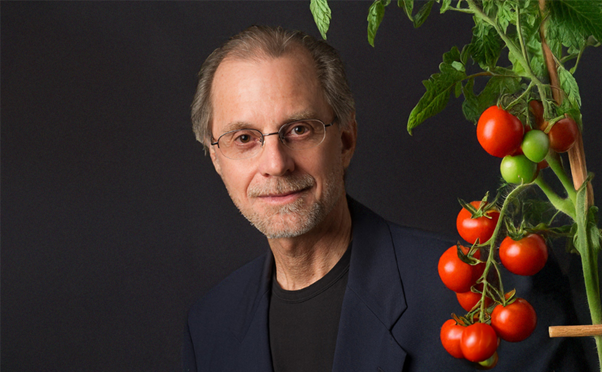
In the late 1980s, Steven Tanksley transformed plant breeding by bringing DNA into the field. His pioneering work at Cornell produced the first comprehensive marker map of the tomato genome, laying the foundation for marker-assisted selection—now a cornerstone of modern, non-GMO breeding. From fruit shape to disease resistance, Tanksley’s breakthroughs turned invisible genetic information into practical tools used by breeders worldwide. And remarkably, it all began with a tomato.
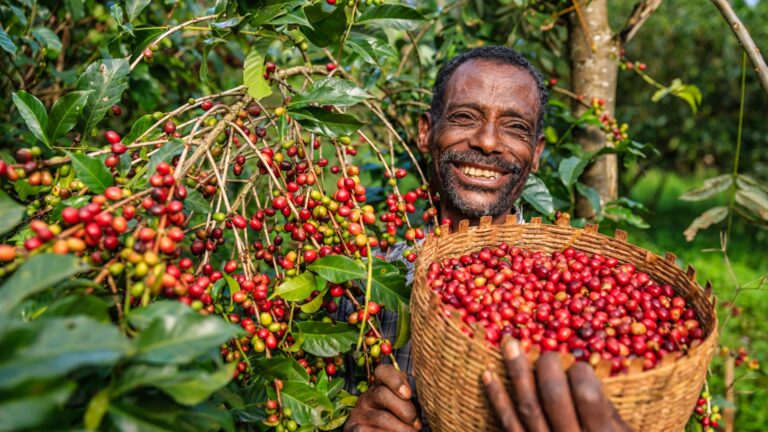
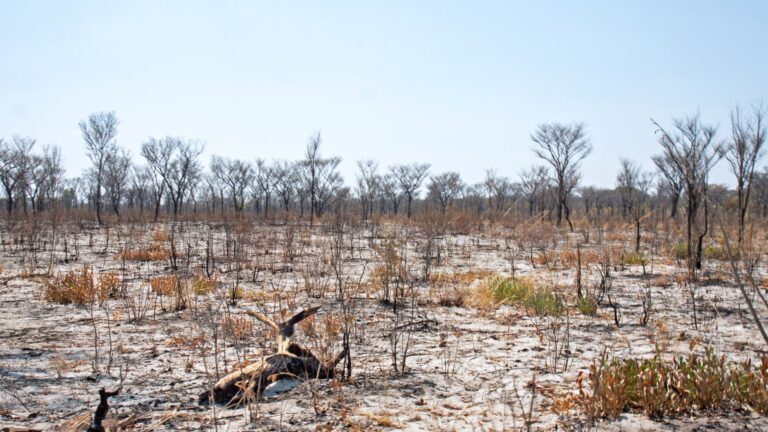
Gene banks may not look like much — but they hold the keys to feeding the future. As climate change and crop loss rise, these seed libraries are quietly safeguarding the genetic diversity our food system depends on. Discover why we need them more than ever.
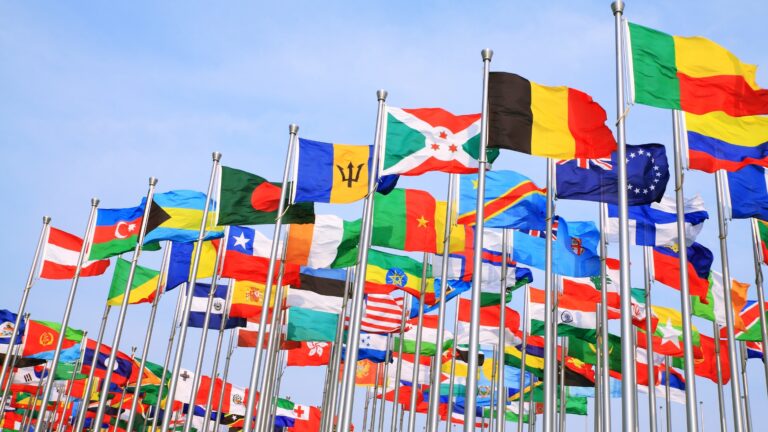
The International Plant Treaty helps ensure the world’s most essential crops remain accessible for breeding, research, and climate resilience. In this post, we explore the story behind the treaty, from a boy collecting melon seeds in Spain to today’s digital battles over genomic data.
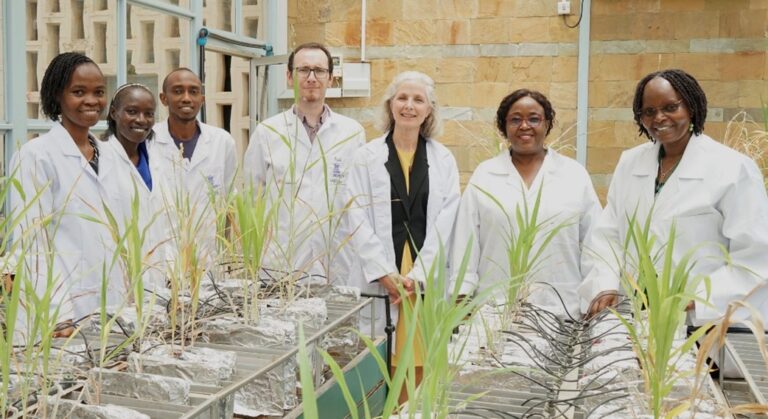
Breeding durable disease resistance is costly and slow, but 2Blades offers a new way forward. Founded by Roger Freedman and Diana Horvath, the organisation bridges advanced plant science with real-world impact through public–private partnerships that share costs, risks, and benefits. Led today by researchers like Dr. Kamil Witek, 2Blades delivers disease-resistance traits to breeders worldwide while ensuring smallholder farmers in Africa and the global south retain access at low or no cost.