
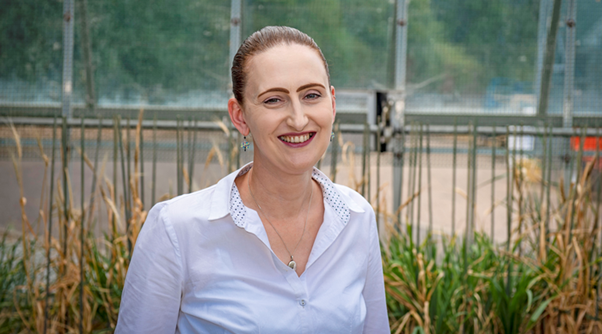
Two Paths Forward: Diane Saunders and Conventional Breeding and Gene Editing
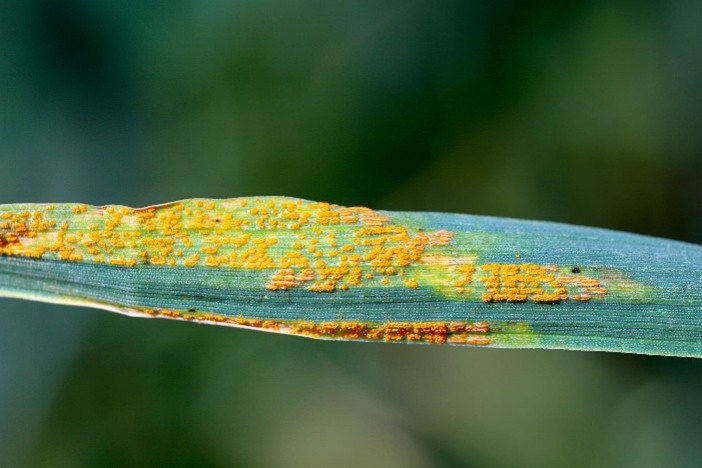
Professor Dianne Saunders at the John Innes Centre leads a research team focused on emerging and re-emerging fungal threats, especially wheat rusts. Often dubbed the “polio of agriculture” or “cereal killers”, wheat rust pathogens have plagued global wheat production for over 10,000 years.
She is pursuing two breeding pathways. She uses conventional breeding involving chemical mutagenesis followed by seasonal crossing and selection. This is non-GM and widely accepted, but slow—taking many years to refine resistant lines. So, she also uses genome editing and targets specific host genes using CRISPR-based techniques. Saunders’ team has already edited three key genes in several regionally adapted wheat varieties. After editing, they conducted whole-genome sequencing to confirm only the desired changes were present.
“This is a far more precise process and much faster than conventional breeding.”
– Dianne Saunders
In order to comply with legislation, Saunders tests her gene edited crops in Kenya. Kenya offers a clear and science-based regulatory process for genome-edited crops. As long as researchers can prove that the plants are genome-edited, not genetically modified (i.e., no foreign DNA), Kenya allows field trials to proceed more easily. This regulatory clarity enables researchers to move quickly from lab to field, accelerating the development of pre-breeding stock and ensuring faster delivery of resistant varieties to farmers.
Professor Dianne Saunders’ research represents a transformative shift in how we fight ancient and modern fungal diseases in crops—particularly wheat rust and blast. In essence, this work is rewriting the script in the battle against crop pandemics—drawing on ancient history, cutting-edge science, and smart regulation to protect the world’s most important staple food. It also highlights the benefits of gene editing.

KALRO staff selecting and taping promising wheat plants with resistance to stem rust disease at the wheat stem rust phenotyping facility in Njoro © Joshua Masinde/CIMMYT.
Crop Breeders Caution with Gene Editing (GE)
In 2015 with the development of CRISPR, gene editing became a powerful tool of plant geneticists. But the attitude of leading European commercial breeders to gene editing is one of extreme caution. Despite the passing of the Precision Breeding Act in the UK, leading European breeders, like Dr. James Melichar at Syngenta and Dr. Nick Bird at KWS, believe, that there are several reasons to avoid genetic editing let alone gene modification. As Nick Bird says:
“Precision breeding including the cost of CRISPR is a huge cost – potentially a £1 million per target per gene”
The UK wheat seed market is not a big enough market for KWS to progress with GE just for the UK market; they would need gene editing to be approved in Europe as well as the UK before they progressed it in a big way. And they consider that is a long way off.
James Melichar of Syngenta, who breed GM crops in the USA and Brazil, reinforces this opinion with:
“Europe is not aligned to it. They are considering the precision breeding act. That has gone through in the UK and so maybe within 10 years in Europe they may have pulled their finger out”
Jack de Wit of Rijk Zwaan adds that it is a matter of risk. If a company pursues gene editing as well as conventional breeding, it is perfectly possible that inadvertent cross contamination occurs, and a variety sold as a conventionally bred crop contains an inserted gene. This is a huge legal liability, as Bayer’s experience with Monsanto’s liability has graphically demonstrated.
“Rijk Zwaan does not use genetic modification or genetic editing for crop breeding worldwide” says Jack.
The cost of breeding new varieties with or without gene editing is huge and creates strict limits on the breeding of improved varieties. One way in which this cost can be tackled is provided by 2Blades.