
2Blades and Public–Private Partnerships for breeding durable disease resistance
The cost of breeding new varieties for disease resistance with or without gene editing is huge and creates strict limits on the breeding of improved varieties. One way in which this cost can be tackled is provided by 2Blades.
In 2004 Roger Friedman and Diana Horvath recognised that prohibitive cost barrier to disease resistance breeding. They established and funded 2Blades with a novel approach to the sharing of costs and benefits between private – public collaborations and retaining rights for smallholder farmers in Africa and the global south so they can provide innovations at no or low cost.

🔗Learn more on the 2Blades website
2Blades goal is to develop durable disease resistance whether this means using genetic modification, GM gene editing or natural breeding. We have seen the long-time horizons involved in crop breeding. Gene modification and gene editing are faster than the numerous crosses (and therefore seasons) that are involved with classical breeding. But GM and GE also allow access to genes, for example, from several wild relatives of soybean which can be crossed with soybean. This overcomes the challenge that these plants have, in that they do not have the resistant genes in their genome.
Roger and Diana understood that advances in plant science have brought about tremendous gains in the understanding of plant immunity and how plants protect themselves from pathogens and pests, yet there has been limited progress in putting these insights to work for agriculture.
They established and funded 2Blades as a non-profit making organisation working with public-private partnerships to bridge that gap.
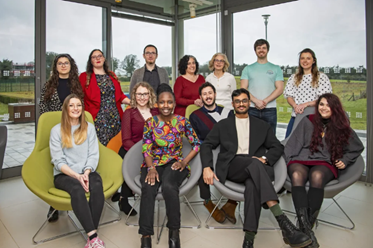
The 2Blades team © 2Blades
This was ideal work for Dr. Kamil Witek who now is Group Leader for 2Blades based at the Sainsbury Laboratory in Norwich. Plant breeding is in Kamil’s blood – both his parents were plant breeders working for a commercial breeding company near Krakow in Poland. As a child he hated going to the field to weed but became used to talking with farmers and understanding what they do.
“I’ve been through the whole process from breeding to seeing the product. For me I always wanted to see the product at the end- that we are doing something that is going to market” – Dr. Kamil Witek
Now Kamil uses his connections within industry to do just that. 2Blades works with big commercial companies like Corteva and Bayer, smaller companies, national plant breeding centres and with the international plant research and breeding centres including IITA in Nigeria, and IIRI in the Philippines.
2Blades takes advanced plant research ideas, makes proof of concept, and takes them to field and validates in small field trials and then moves into product registration. 2Blades do not release any cultivars or new varieties. They collaborate with companies and deliver traits to them. They deliver resistant genes to companies, and they take this work further. They share costs and income on a 50:50 basis but always retain the rights for smallholder farmers for Africa and for the global south. They aim to provide innovations at low or no cost to non-profit organisations working on behalf of smallholder farmers.
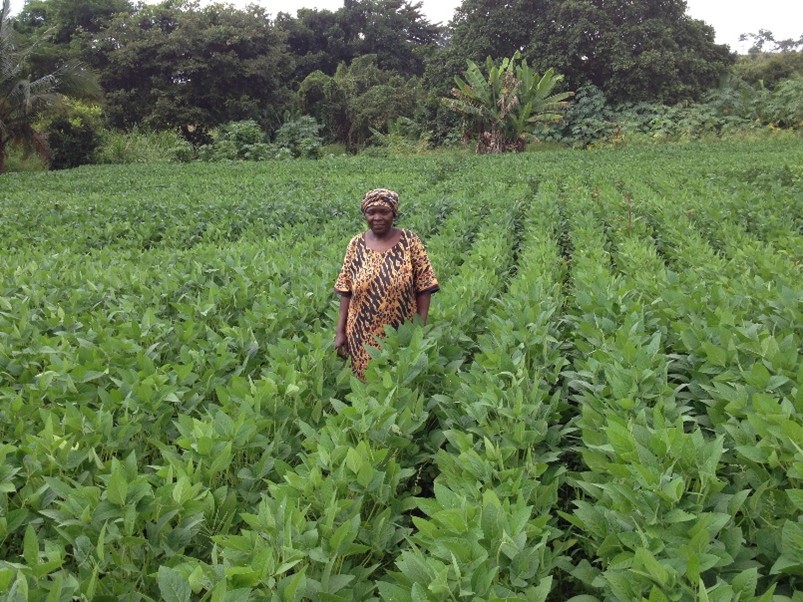
© 2Blades